This page offers starting points for learning, reflection, and connection through resources, important dates, campus communities, and events. Whether you are new to these conversations or continuing your learning, we encourage you to approach this journey with openness, respect, and care.
Welcome to this resource page for international students beginning to learn about the histories, cultures, languages, and relationships connected to the lands you now live on. Across Turtle Island, Indigenous Peoples have always carried deep relationships with land, water, language, community, and knowledge systems despite ongoing impacts of colonialism.
Learning about these relationships is a necessary and ongoing journey rooted in respect, listening, reciprocity, and accountability.
Maps, books, and Indigenous
languages resources to help
you understand where you are
and who has long-standing
relationships with these lands.
Key days of remembrance,
celebration, learning, and
action throughout the year.
Student and community
spaces where learning and
relationships can grow

⋅ Native-Land Digital
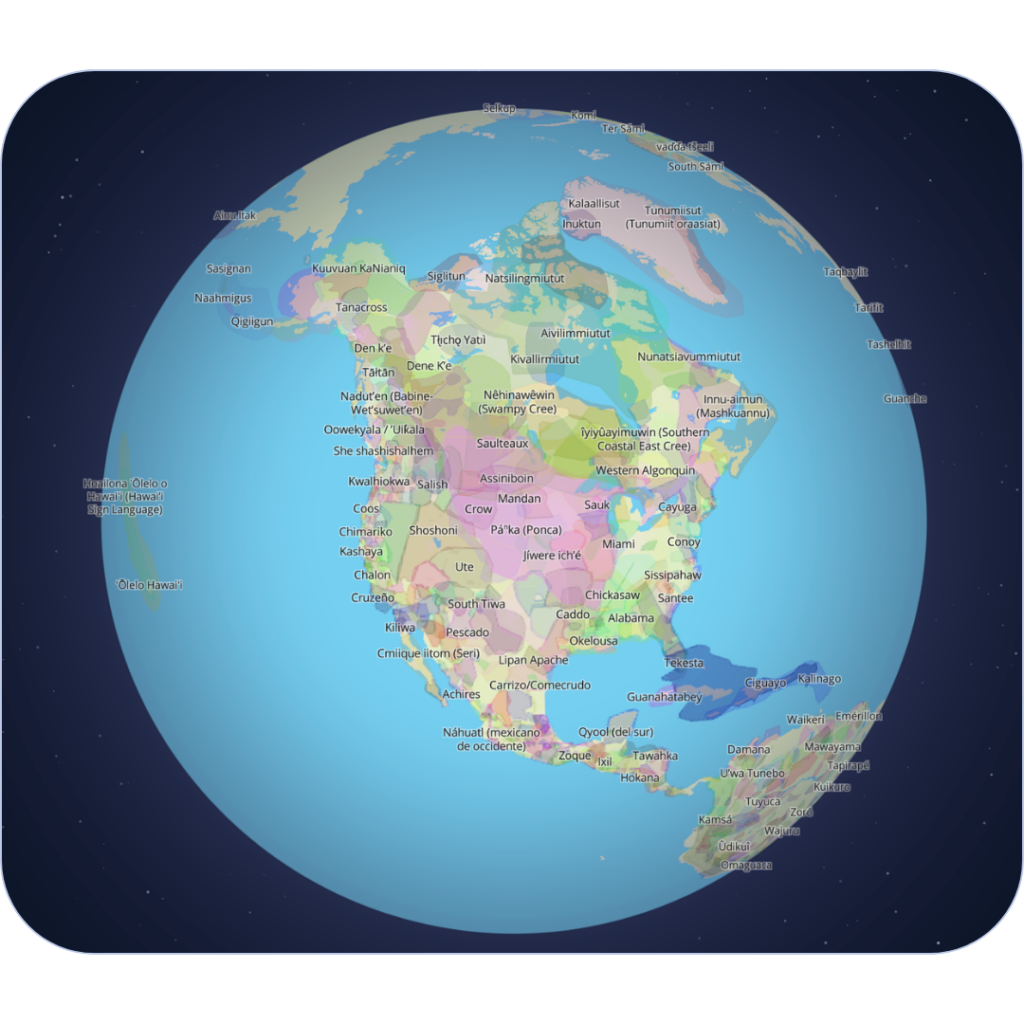
Native-Land Digital is a helpful starting point for learning about the Indigenous languages, Nations, and treaties connected to the places where we live. While asking “Whose land am I on?” remains important, centering Indigenous languages can deepen our understanding of the relationships, responsibilities, and knowledge tied to land and waters.
How to use this interactive map?
You can click on either Languages or Treaties to explore different covered areas based on your selection. Simply drag the globe to locate Turtle Island.
⋅ Indigenous Peoples Atlas of Canada
Native-Land Digital is a helpful starting point for learning about the Indigenous languages, Nations, and treaties connected to the places where we live. While asking “Whose land am I on?” remains important, centering Indigenous languages can deepen our understanding of the relationships, responsibilities, and knowledge tied to land and waters.
⋅ Indigenous Writes: A Guide to First Nations, Métis & Inuit Issues in Canada (Written by Chelsea Vowel)
⋅ Power With: Indigenous Knowledges, Environmental Practices, and the Strength of Collaboration (Written by Barbara Moktthewenkwe Wall and Mary-Claire Buell)
⋅ Making Space for Indigenous Feminism (Edited by Gina Starblanket)
⋅Wa Ni Ska Tan Indigenous Languages Resources
Indigenous languages are more than communication. They are living connections to land, culture, and spirit. These languages also carry unique ways of understanding the world. Despite the impacts of colonization and residential schools, communities are reclaiming their languages through daily practice, teachings, and new tools. This page offers resources, including websites and apps, to support learning and revitalization, recognizing that these languages are vital: to the land, to culture, and to community, as well as for future generations.
⋅Centre of Aboriginal Languages and Culture at UCN
With support from Elders, families, communities, and educational institutions, this centre works to support and share Indigenous values, traditions, and knowledge while fostering meaningful and collaborative learning opportunities.

Recognizing important dates is one way to learn about the ongoing histories, relationships, resilience, and experiences of Indigenous peoples across these lands. Many communities organize gatherings, educational events, celebrations, and spaces for remembrance connected to these dates. We encourage students to take time to learn about these occasions, remember their significance, and attend community or campus events when possible.
Check the events from your institutions! Each university and college has its own event calendar that shows events for Indigenous students. If you are non-Indigenous students, those events are good time and space to learn and connect with people.
Click your institution to see their events calendar

Learning is also about building relationships with people and communities. Indigenous student groups, community spaces, and campus events can offer opportunities to listen, connect, and learn in respectful ways. We encourage students to explore Indigenous-led spaces and participate with openness, care, and respect.
⋅ UM Indigenous: https://umanitoba.ca/indigenous/
⋅ University of Manitoba Indigenous Students’ Association (Instagram): https://www.instagram.com/umisacouncil/?hl=en
⋅ Métis University Students’ Association (Instagram): https://musaumanitoba.wordpress.com/
⋅ University of Manitoba Indigenous Birding Club: https://www.umindigenousbirdingclub.com/
⋅ Land & Water (University of Manitoba) (Instagram): https://www.instagram.com/landandwater.um/
⋅ Indigenous Initiatives: https://www.lakeheadu.ca/indigenous
⋅ Lakehead University Indigenous Student Services Centre (Facebook): https://www.facebook.com/lakeheaduniversityISSC/?ref=embed_page#
⋅ Lakehead University Orillia Indigenous Initiatives (Facebook): https://www.facebook.com/LUORAI?ref=embed_page
⋅ Lakehead University Indigenous (Instagram): https://www.instagram.com/lakeheadindigenous/
⋅ Office of Indigenous Engagement: https://ucalgary.ca/indigenous
⋅ Indigenous Students’ Circle (Facebook): http://facebook.com/ucalgaryisc/
⋅ Writing Symbols Lodge (Instagram): https://www.instagram.com/wslucalgary/
⋅ University College of the North (Facebook): https://www.facebook.com/UCN.UniversityCollegeoftheNorth/mentions/
⋅ Nukskahtowin – Meeting Place (Resources for Indigenous students): https://www.athabascau.ca/indigenous/index.html?ss360SearchTerm=Indigenous
⋅ Wîcihitowin Indigenous Student Alliance (Facebook/Instagram):
Facebook: https://www.facebook.com/profile.php?id=61585651736151
Instagram: https://www.instagram.com/wisaofau