Research Topic/ Title: Protecting First Nations Connection to Wildlife Through Storytelling & Oral Tradition
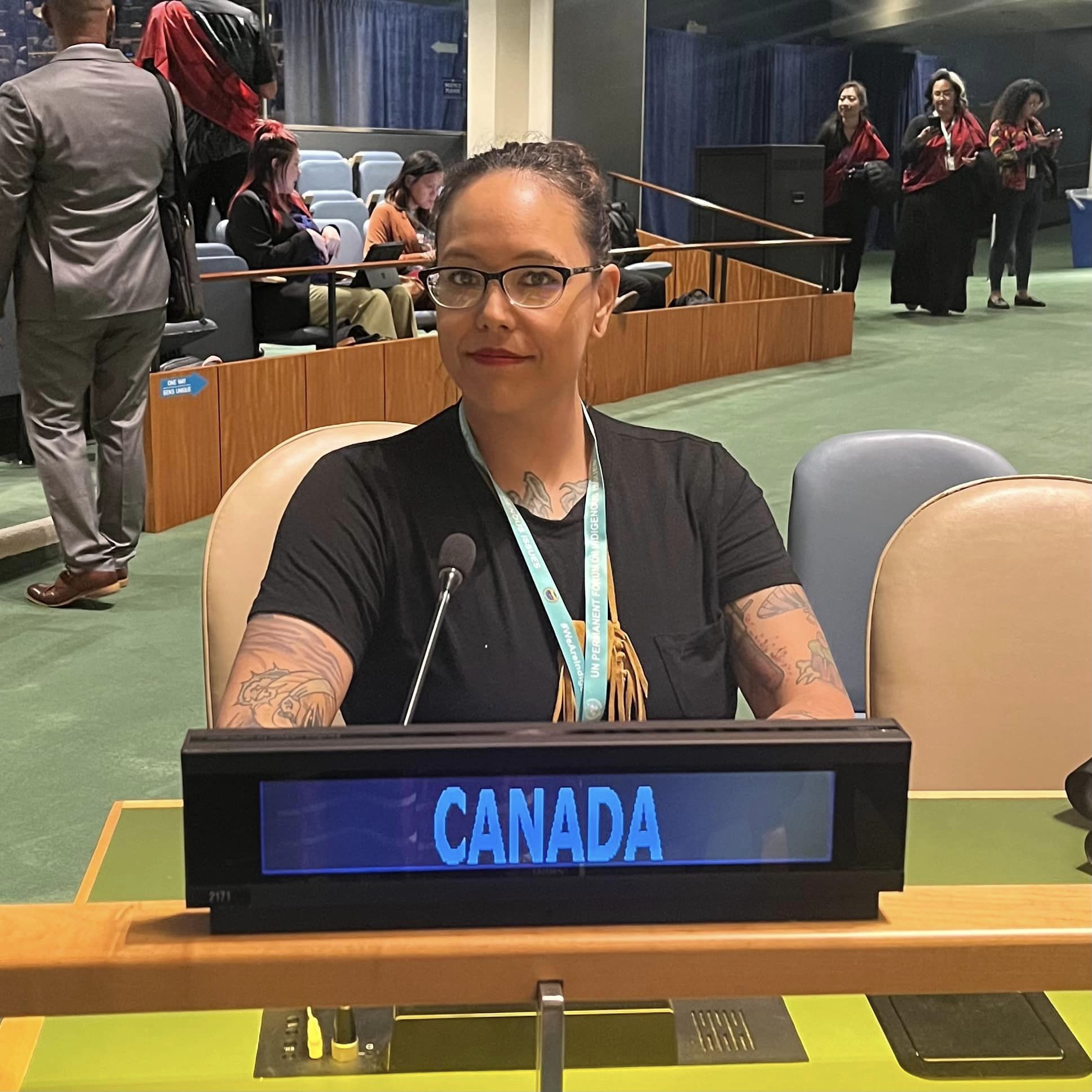
As First Nations people, we have lived interconnectedly with our animal relatives for millennia, however, through colonization that connection has been impacted, as well as some of our hunting, trapping, and fishing rights due to pollution, industry, and climate change. In order to indigenize and decolonize the wildlife sector in Manitoba, we must include Indigenous knowledge and science to protect wildlife biodiversity in the province.
My research explores the connection we as First Nations people have with our four-legged, finned, and winged relatives, and how traditional knowledge, oral traditions, and storytelling helped us maintain that connection before and after colonization. I will also briefly touch on the challenges we face such as environmental racism, loss of TEK, and assimilation and how that has impacted our ways of knowing and understanding towards wildlife.
Overall, my research will emphasize the value of our practices and knowledge systems, advocate for wildlife conservation, and promote the importance of keeping our traditions alive.
Outside of student life, I love to plan events. I love bringing people together to celebrate life, love, achievements, culture, etc.. I also love to sing! I’ve been singing since I was a young girl and feel comfortable on a stage.
Research Topic/ Title: Participatory methodologies and social technology development projects in Engineering Education
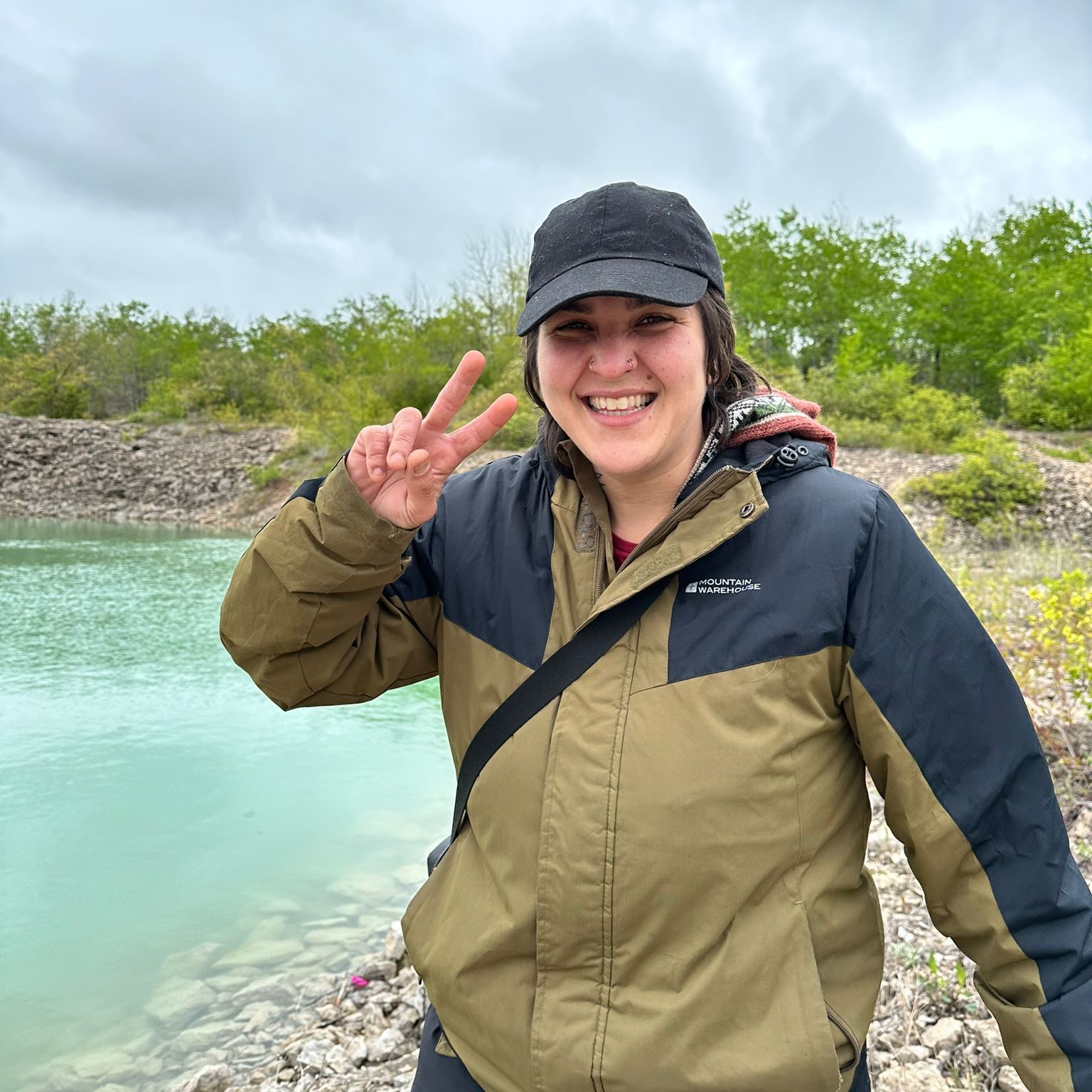
This research aims to develop engineering capstone projects for, by and with the Indigenous-led organization One House Many Nations (OHMN). OHMN was born from the Idle No More movement that fights for Indigenous sovereignty in Turtle Island. The organization works to raise awareness about housing conditions and pressures governments to live up to their Treaty, moral, and legal responsibilities, in addition to providing homes for youth on reserves. Through this research, I am building relationships with local actors at Big River First Nation (SK) and Opaskwayak Cree Nation (MB) to collectively understand their technological needs and build a local diagnosis that will provide us with project themes. These projects will be developed as engineering capstone projects through social technology and participatory action research methodologies, and they will respectfully follow the nêhiyaw protocol.
Research Topic/ Title: Revitalizing Traditional Knowledge: The Role of Land-Based Healing in Mitigating the Impacts of Hydroelectric Development on Indigenous Well-Being
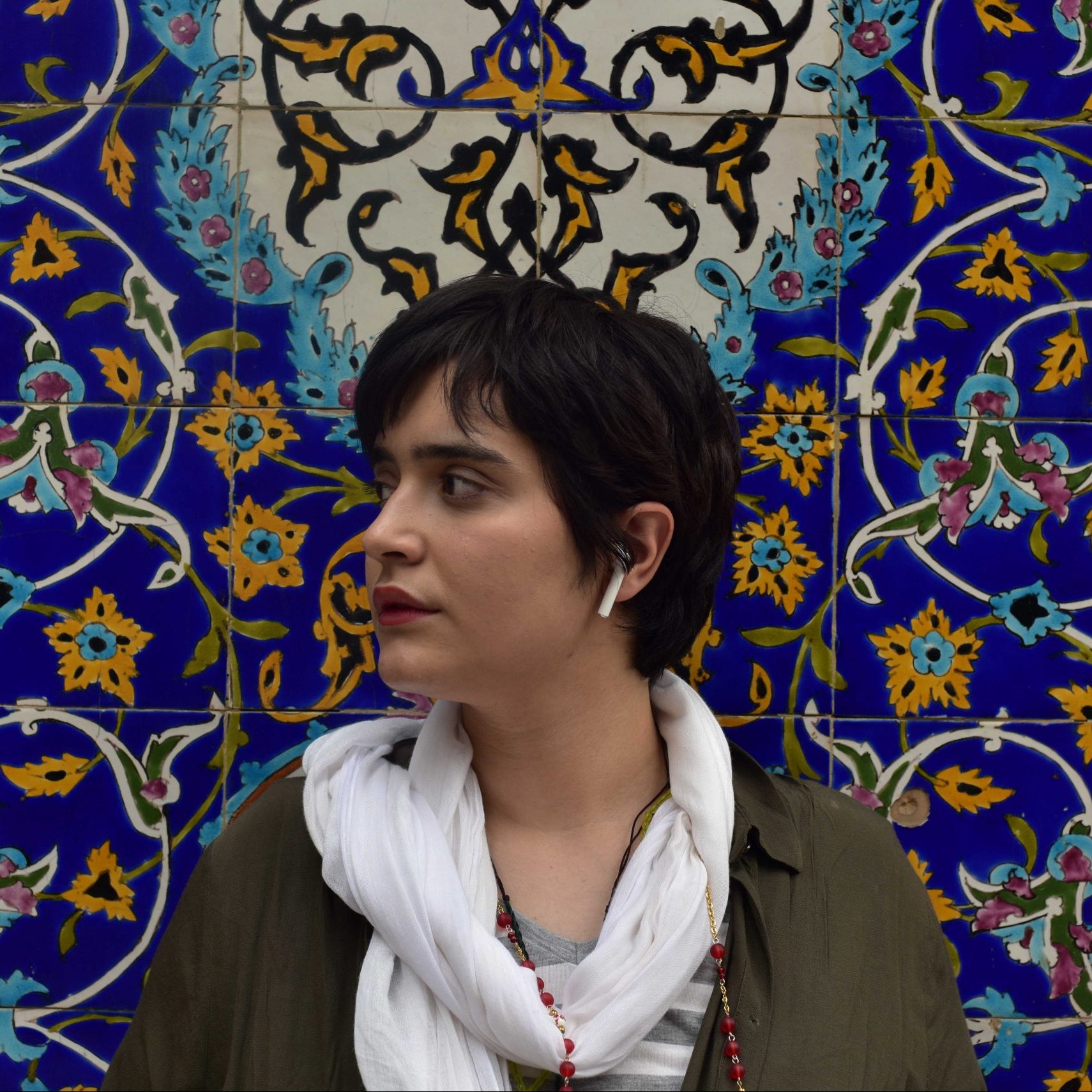
My research focuses on the cumulative environmental and socio-cultural impacts of hydroelectric development on Indigenous communities in Northern Manitoba, specifically targeting traditional land based healing mechanisms and Indigenous knowledge systems related to traditional-use plants and medicines.
This study aims to uncover how such developments have disrupted the traditional ways of life and wellbeing of these communities. I intend to work closely with the Misipawistik Cree Nation (Grand Rapids) and the Tataskweyak Cree Nation (Split Lake) to conduct comprehensive case studies and comparative analyses. By employing a community-based participatory approach, I ensure that Indigenous communities are active collaborators throughout the research process. Methodologies will include interviews, focus groups, and participatory mapping, working alongside Indigenous knowledge keepers to gather qualitative data and map traditional land-use areas, documenting changes due to hydroelectric development.
This research holds deep personal significance for me as an Azari woman from Iran with a profound connection to traditional healing practices and plant-based medicines, which have shaped my worldview and approach to well-being. My background instills a deep respect for the wisdom and resilience of Indigenous communities, and I am committed to preserving and revitalizing traditional knowledge systems.
Through this research, I aim to highlight and support the traditional healing practices that promote holistic well-being and environmental stewardship within Indigenous communities. By documenting and revitalizing these practices, we can contribute to the development of culturally appropriate, community-driven strategies for addressing the adverse impacts of hydroelectric development. The expected outcomes of this research include providing a detailed account of the cumulative environmental and socio-cultural impacts of hydroelectric development, identifying traditional land based healing mechanisms, and contributing to the development of strategies that promote the revitalization of traditional practices and Indigenous self-determination.
As a hobby, I find myself watching either J-dramas, anime, or K-dramas. That’s my way of learning Japanese and Korean 🙂
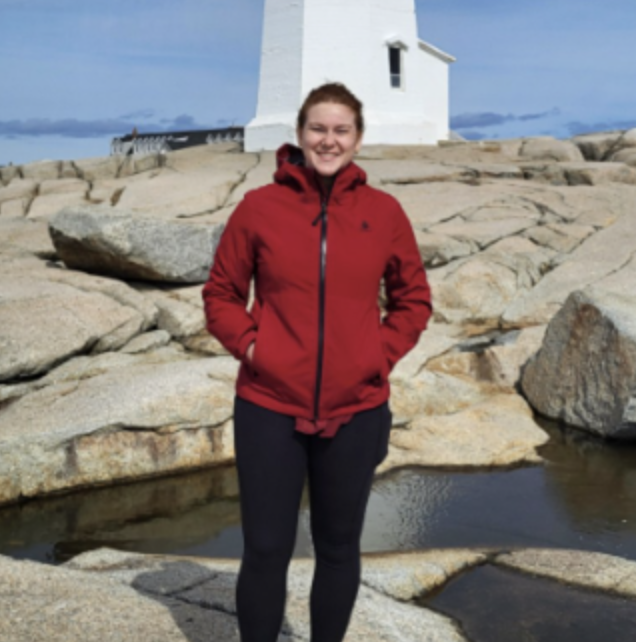
Research Topic/ Title: My research will take place at the International Institute for Sustainable Development Experimental Lakes Area (IISD-ELA), where a small boreal lake was artificially acidified in the 1970s-80s. The native population of Mysis, a large freshwater shrimp preyed on by lake trout, died out as a result of this change in pH. Mysis live in offshore areas that are better suited for cold-water predators like lake trout than along the warmer shoreline where other common prey species reside. The lake was chemically recovered, and Mysis, which did not recover naturally, were transplanted into the lake beginning in 2018 to restore the population.
Here, we have a unique opportunity to see how the top predator in a small boreal lake changes their behaviour in response to the reintroduction of an important prey species. Using telemetry tags and acoustic receivers, I will analyze the movement of lake trout between these offshore and nearshore areas from a period when Mysis were absent, compared to a period after the Mysis population was re-established. I will also conduct stable isotope analysis on tissue samples across the food web to identify lake trout energy sources before and after Mysis reintroduction, to determine whether there has been a change in lake trout foraging habits. The results of this research will be useful in the development of management plans for other lakes undergoing food web changes or for restoration work after the loss of a freshwater prey species.
The IISD-ELA field station is on the traditional land of the Anishinaabe Nation in Treaty 3 Territory and the homeland of the Métis Nation. I’m Red River Métis from Winnipeg, and I am excited to collaborate with Grand Council Treaty #3 (GCT3) during my field work. I will be facilitating aquatic sampling workshops with GCT3 community members during fish sampling in summer. These sessions will provide the opportunity for information exchange between researchers and community members. The workshops aim to teach Treaty 3 students skills that will help them carry out aquatic sampling programs, and can also bring about new collaborations in environmental monitoring in years to come. We also hold a fall feast at IISD-ELA each year, inviting elders and community members to honour the lakes we study and to share stories and knowledge.
I spend as much time as possible outdoors, both for field work and in my free time. I enjoy hiking, paddling, and camping with friends, and also love to play volleyball.
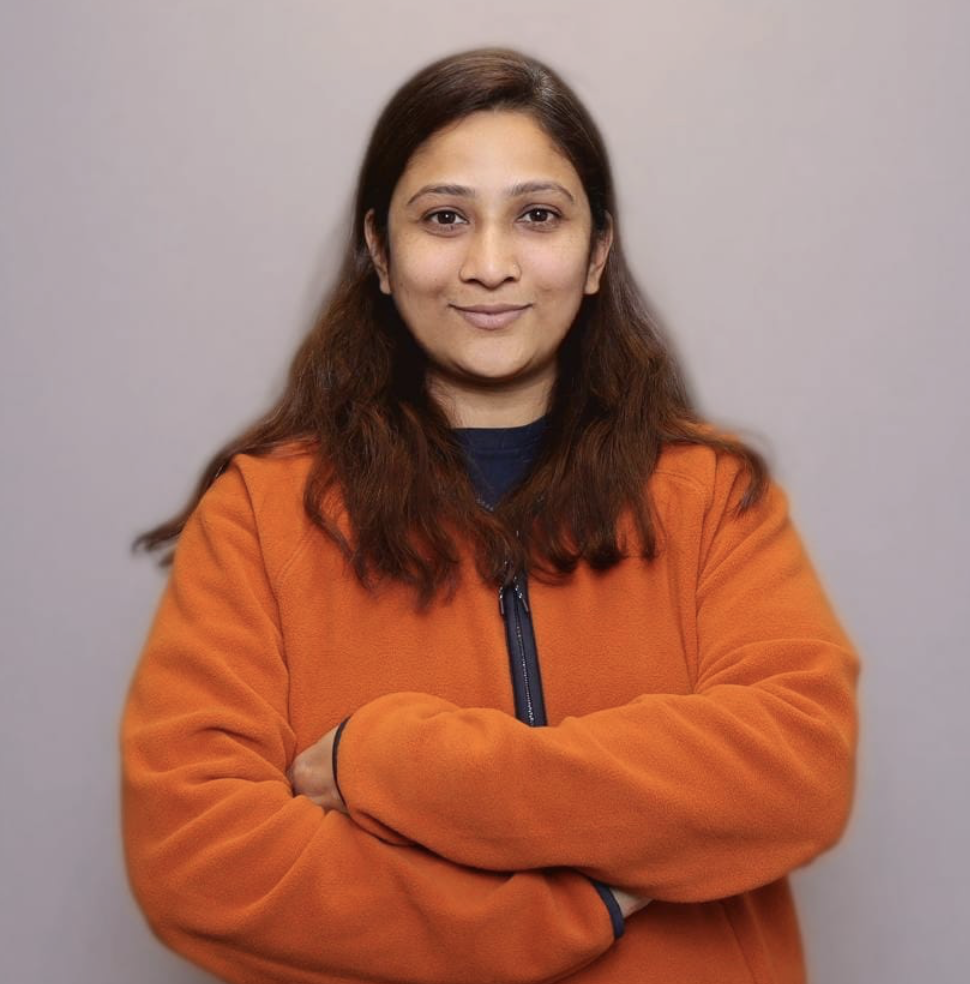
Research Topic/ Title: My research examines the wildfire disaster experiences of the Woodland Cree community of the Lac La Ronge Indian Band in northern Saskatchewan, with particular attention to Indigenous land-based mitigation, preparedness, coping strategies, evacuation, and decision-making processes, especially in light of their evacuations in 2015 and again in 2025. Long-standing Indigenous fire stewardship practices were disrupted that weakens land-based knowledge systems and community resilience over time. Today, wildfire management remains largely shaped by a top-down, Western fire suppression approach that often excludes Indigenous leadership and knowledge. This has resulted in gaps in preparedness, communication, and decision-making during wildfire emergencies. My research aims to address this gap by identifying meaningful and respectful approaches to collaboration that strengthen community resilience through a “Two-Eyed Seeing” perspective.
As a hobby, I enjoy beading as it brings me a sense of calm and inner peace. I love listening to the stories others share and taking part in meaningful conversations that foster the exchange of experiences.
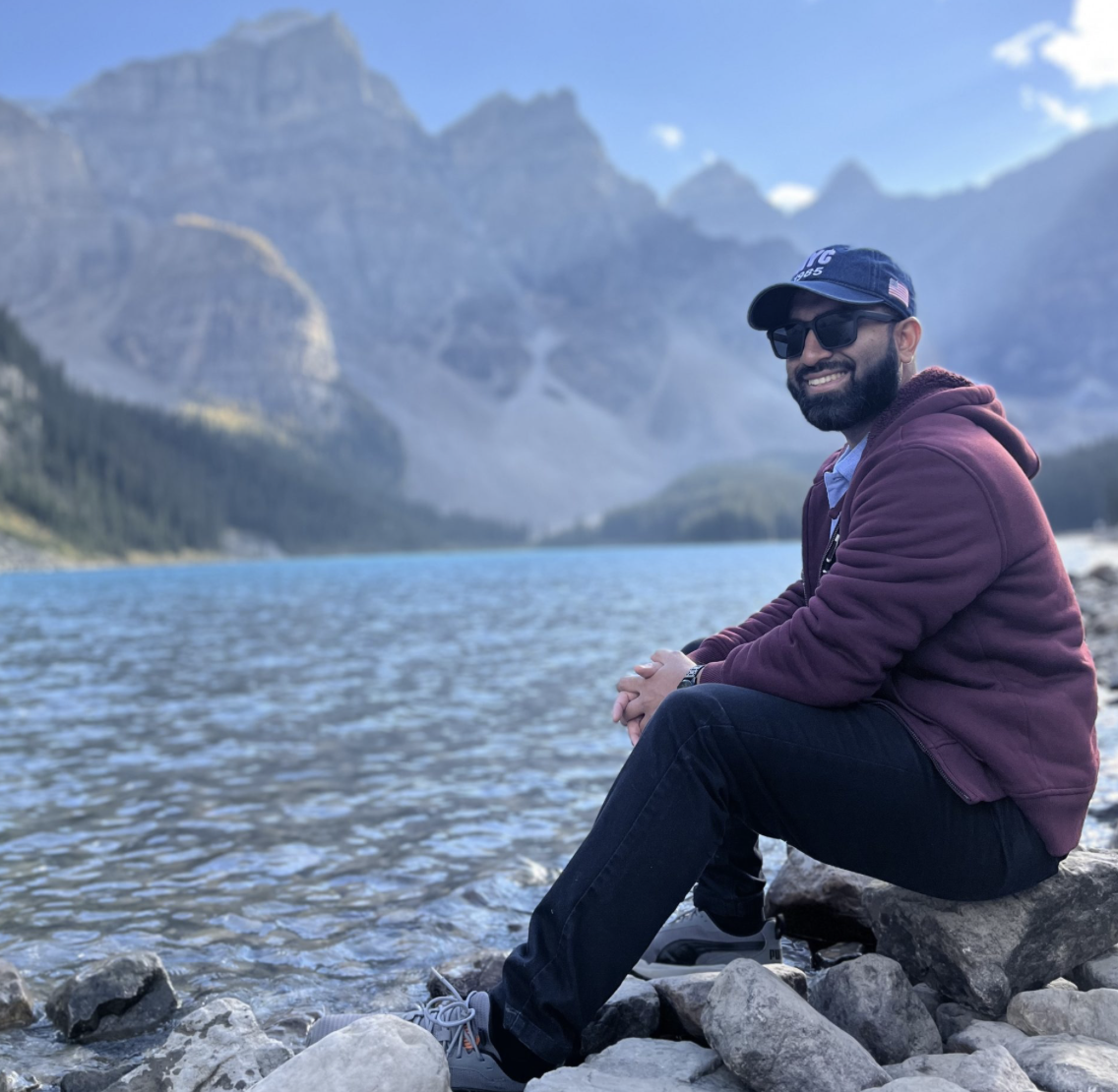
Research Topic/ Title: I am working in the field of microbiology, focusing on antimicrobial resistance (AMR) — which means bacteria becoming resistant to antibiotics. This is one of the biggest public health challenges in the world today. When antibiotics stop working, infections become harder — and sometimes impossible — to treat.
My research looks at how antibiotic-resistant bacteria spread through water systems. Water can carry bacteria, antibiotic residues, and small pieces of genetic material that allow resistance to move from one bacterium to another. This makes water an important pathway for the spread of resistance in communities.
I am especially interested in understanding how this affects vulnerable populations. In Canada, some communities — including certain First Nations communities — experience much higher rates of waterborne infections compared to the general population. My work aims to better understand how resistant bacteria circulate in water environments in the First Nation community and what risks they pose to public health.
What I hope to achieve is:
I collaborate with university researchers, laboratory teams, and communities affected by water quality challenges. The goal is not just to publish scientific findings, but to produce knowledge that can support real-world solutions — especially for communities that are disproportionately impacted.
I enjoy playing cricket and soccer, and I also love watching them on TV. Traveling to natural places is one of my favorite hobbies, as I find peace and inspiration in nature. In my leisure time, I enjoy reading books and listening to music.
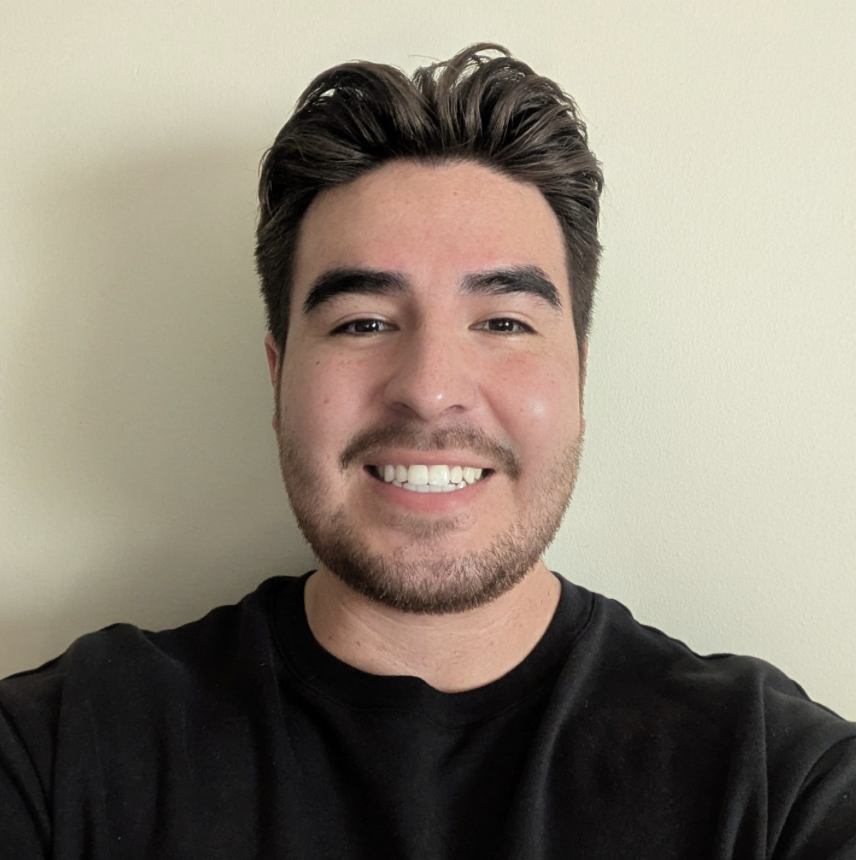
Research Topic/ Title: My research focuses on Indigenous Protected and Conserved Areas (IPCAs), as described by the Indigenous Circle of Experts (ICE) as lands and waters where Indigenous Nations lead conservation according to their own laws, governance systems, and relationships to the land. In Canada, IPCAs are becoming increasingly important for protecting biodiversity and addressing our climate change targets, yet they are not formally recognized in federal or provincial legislation. As a result, this creates policy gaps that limit long-term protection and, at the same time, limit Indigenous self-determination in conservation.
My research will explore these policy barriers and further examine how Indigenous-led conservation can be better supported through stronger governance frameworks. The project will use an Indigenous community-based research approach, in partnership with Fisher River Cree Nation (FRCN), and provide support to their conservation area initiative. Methods to include document and policy analysis, as well as interviews with community members and external stakeholders.
Through this work, I hope to identify pathways that strengthen Indigenous governance, support environmental stewardship, and contribute to ongoing discussions around reconciliation through land-based climate and conservation solutions.
Outside of university, I am a passionate ice hockey goalie and have been playing for over 12 years. I enjoy staying active, spending time outdoors, and I’m currently learning to speak Cree.
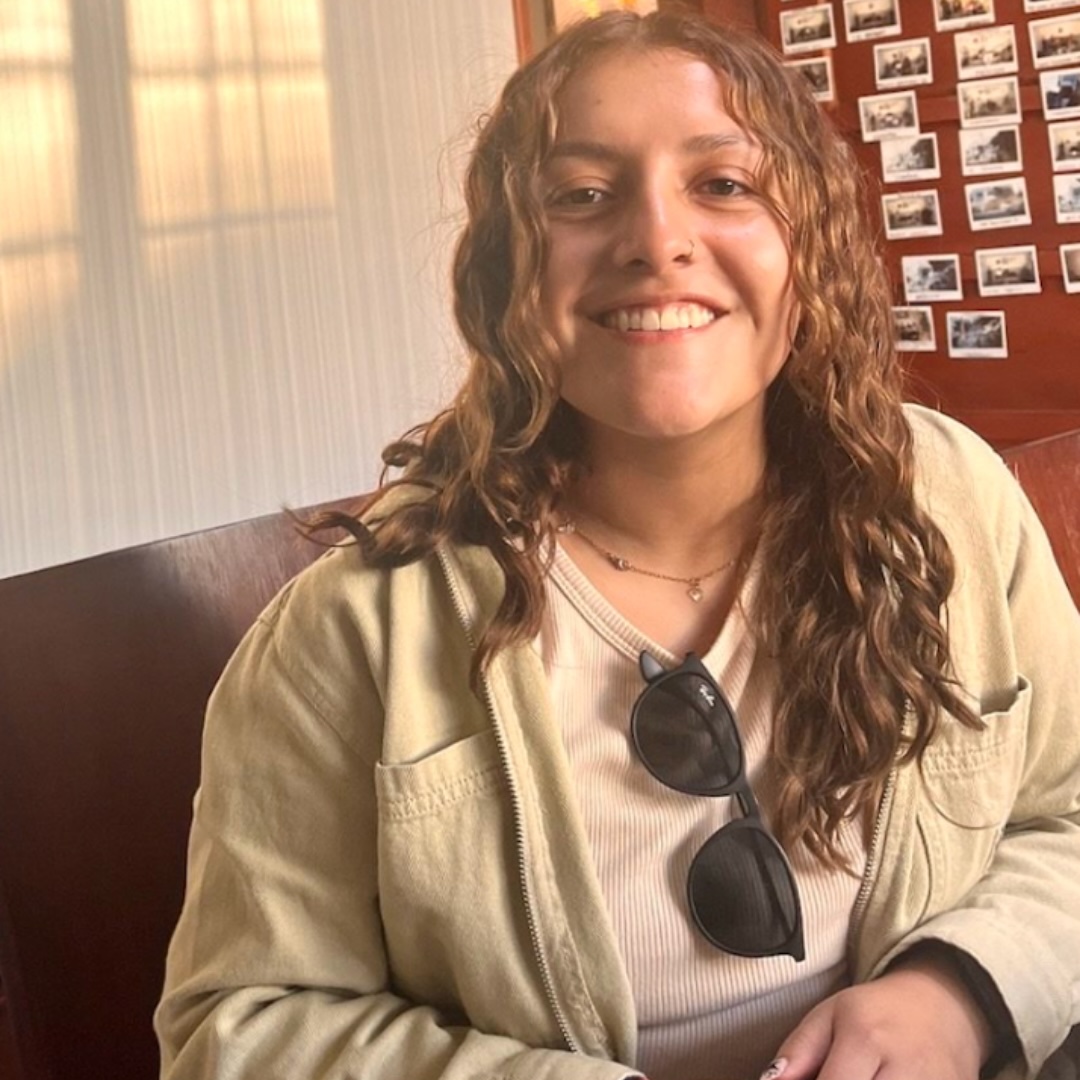
Research Topic/ Title: My project aims to explore the role of Indigenous-led, arts-based resistance in defending Lake Superior’s water, and how those practices contribute to sustaining water justice. The research takes place in the heart of the Great Lakes, at Baawaating, also known as Sault Ste. Marie (place of the rapids in Anishinaabemowin), a binational territory that connects to 20% of the Earth’s surface freshwater and holds special bond with Gichigami (Lake Superior).
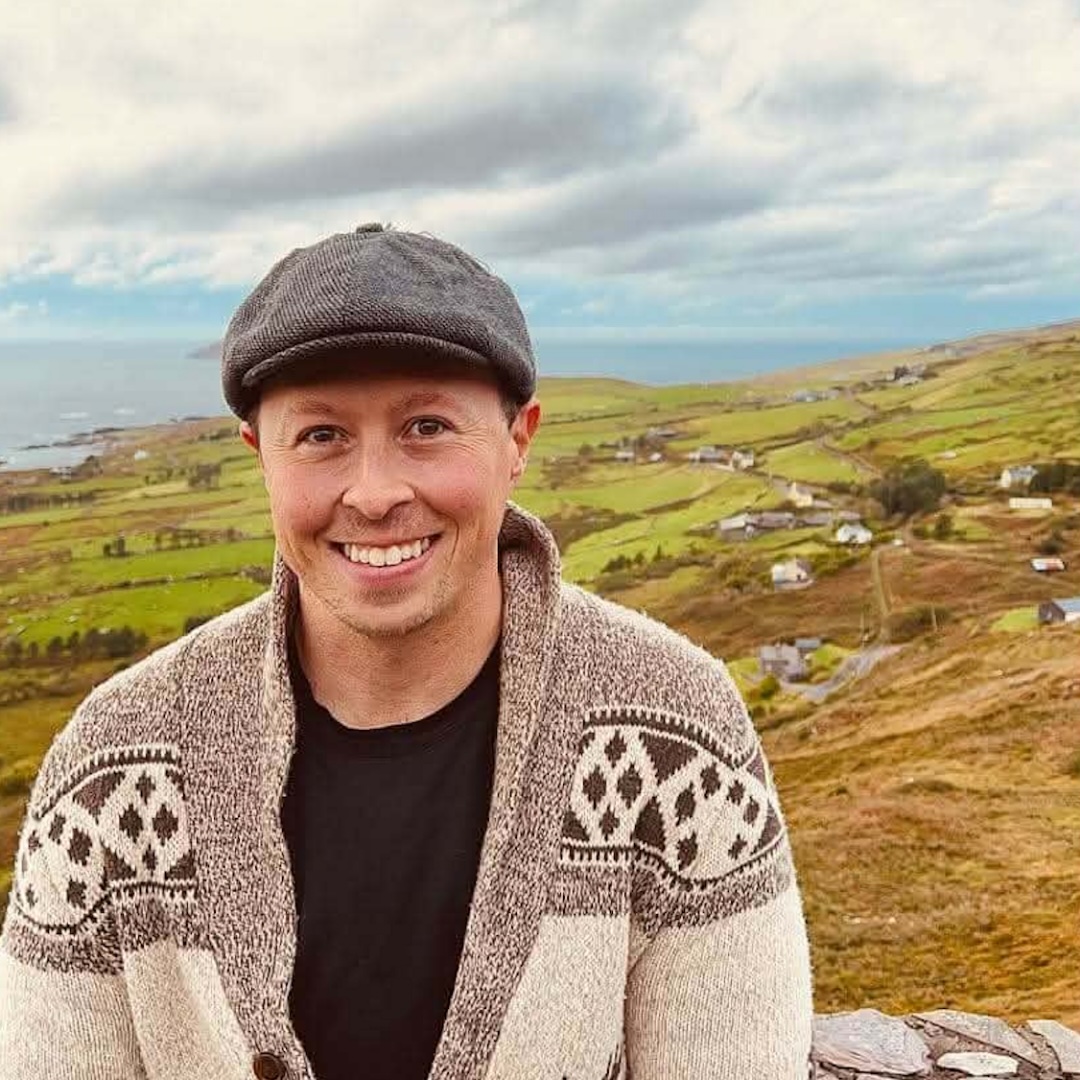
Research Topic/ Title: My graduate research is focused on understanding the microbiology of microplastics, especially as it pertains to plastic bioremediation. Microplastics are widespread contaminants that are emerging to pose a threat to us and the environment. Microbes, specifically different species of bacteria, are known to settle on environmental plastics in our rivers, lakes, and oceans. Many of these microbes can break down plastics, making them allies in addressing plastic pollution.
As a graduate student with a background in data analytics, and a focus on bioinformatics, I want to study the plastic-degrading microbes at a large scale, within microbial DNA sequencing datasets from over 100 Canadian lakes. Combined with the data generated by my lab at AU about the microbes from Wabasca Lakes in the Bigstone Cree Nation. Here, I will bioinformatically mine the data for plastic degradation microbes and their genes for different types of plastics in the Wabasca Lakes and search for those in other lakes.
Comparisons arising in the abundance of these genes between the lakes important to Bigstone Cree and the NSERC LakePulse continent wide lake data, I will be able to assess if the waters of the Bigstone Cree are disproportionately affected. Moreover, overlaying the information about the waters of other First Nations in Canada, I may be able to conclude if nationally, Indigenous communities and their waters are disproportionately contaminated. This finding can have important bearing on the status of and policy regarding the water supply and safety for all of Canada’s Indigenous communities. While itself might be an important finding that relates to other research studies in the Indigenous CREATE program.
I was once a Central Alberta celebrity, where I would dress up and dance as a seagull mascot for a university summer league baseball team. I had the opportunity to do this for a couple summers, until I decided that spending the summer traveling in a camper van was a bigger adventure, and less sweaty.
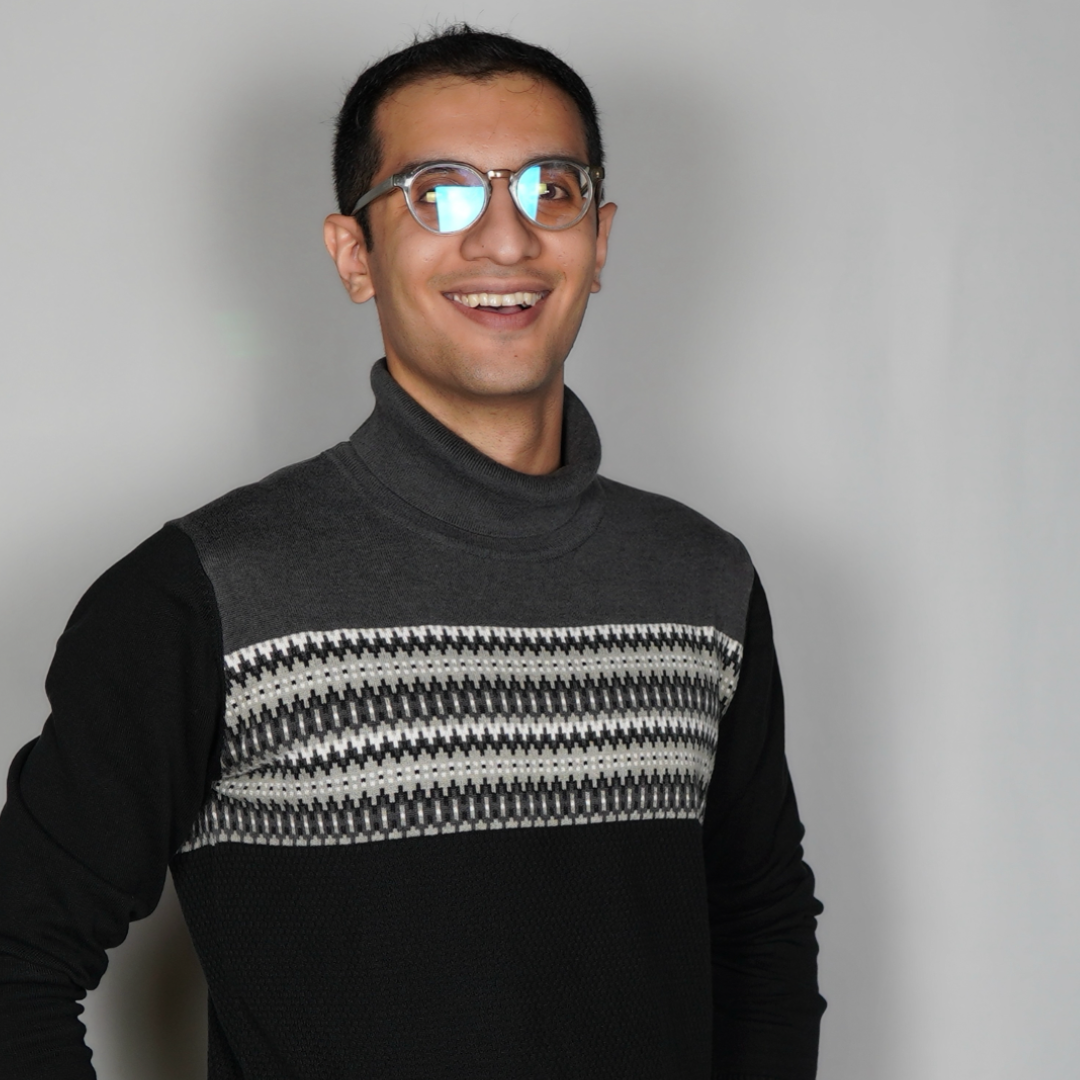
Research Topic/ Title: Development of a Valid and Reliable Indigenous Traditional Foods Knowledge Questionnaire
My research is part of a national project focused on Indigenous traditional foods and food knowledge in Canada. I am helping develop a questionnaire to assess healthcare providers’ knowledge of Indigenous foods, including but not limited to their cultural significance, preparation, and nutritional value. The goal is to support culturally appropriate care and improve understanding of Indigenous food systems. We collaborate with communities across the country and welcome additional communities interested in being involved.
Outside of university, I enjoy traveling, watching movies, and trying new experiences. I also like challenging myself to keep growing—whether that’s building new habits, reflecting on my experiences, or finding ways to continuously improve myself.
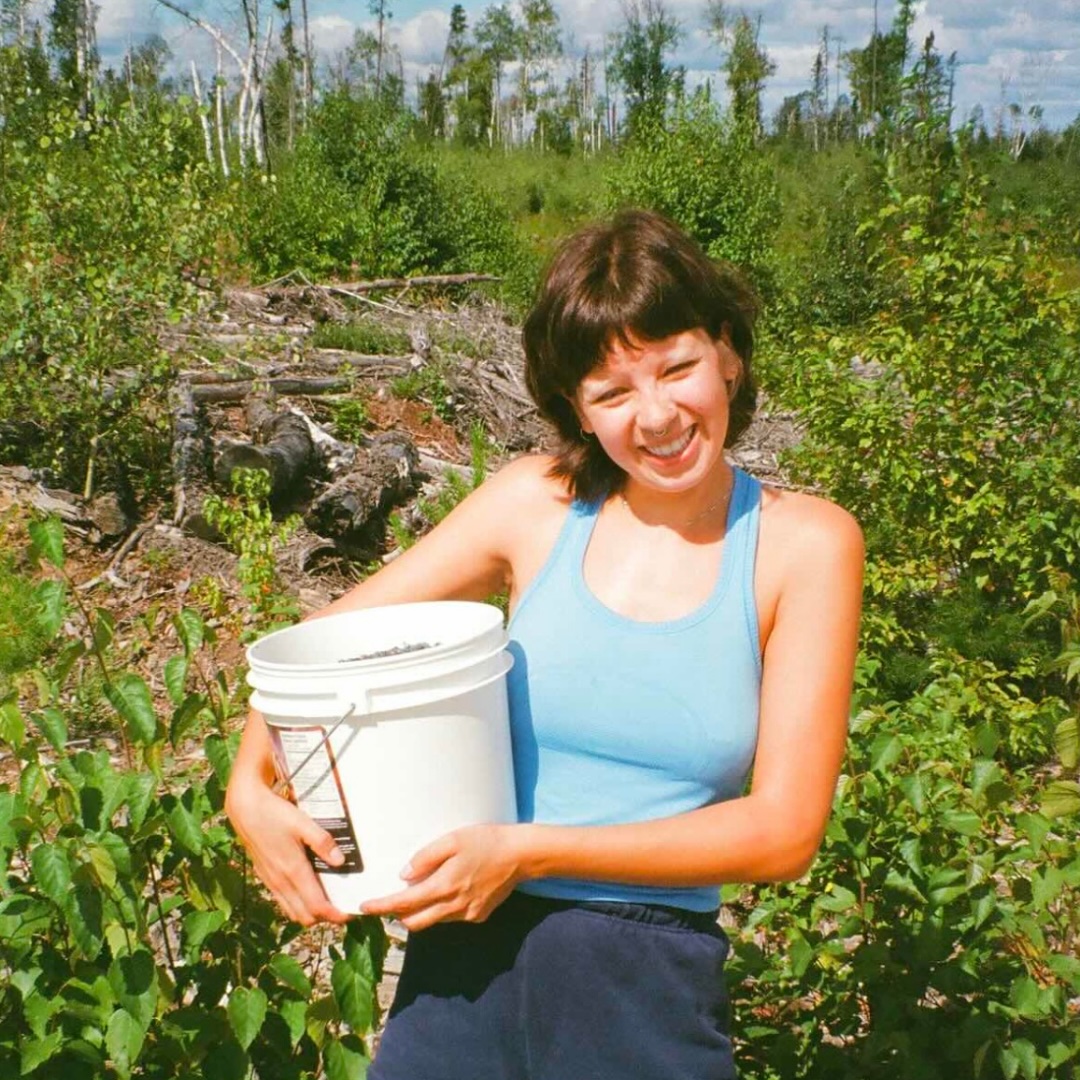
Research Topic/ Title: Carrying Blueberry Knowledge: Indigenous Art and Food Sovereignty in Northwestern Ontario
My project consists of curating a community-engaged art exhibition featuring Indigenous artists in Thunder Bay whose art speaks to berry knowledge and land-based practices. This project asks the question: How are wild blueberries honoured through Indigenous art in Northwestern Ontario?
I aim to show that curatorial practice can serve as both a research method and a form of cultural reclamation by amplifying Indigenous perspectives on food sovereignty.
In my spare time I’m a collage artist and a blueberry picker.
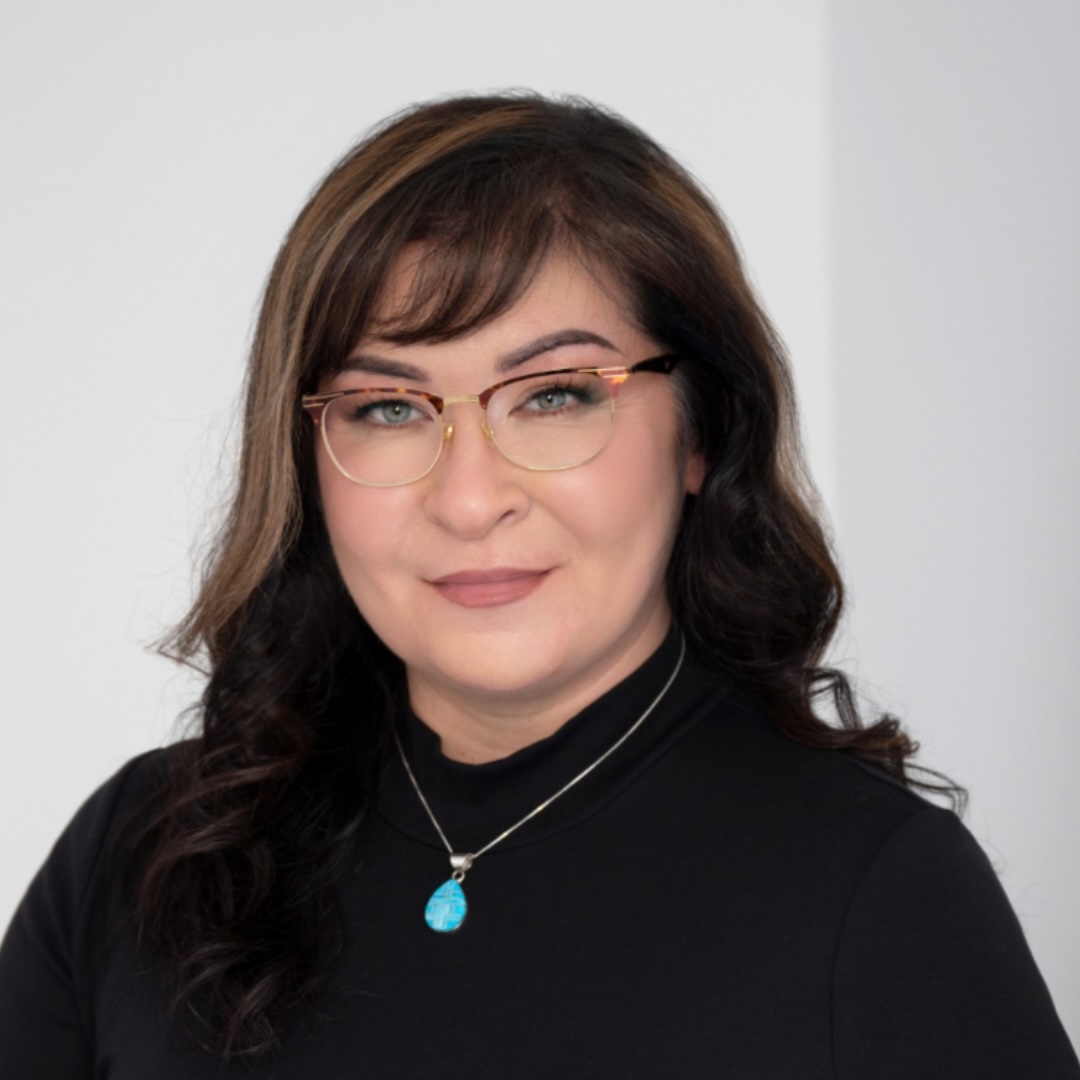
Research Topic/ Title: Water Justice or Nipi Kintohpatatin “Water you’ve been listened to”: Honouring Water and Wholistic Wellbeing Through Collective Expression, Compassion and Action in Kattawapiskak
Wachiya/hello, my name is Tyna Legault Taylor, and I am a member of Kattawapiskak (Attawapiskat First Nation) in the Traditional Territory of the Omushkego (Swampy Cree) – “peoples who live in the mushkeg” – within Treaty 9 on the James Bay coast of northern Ontario. I currently live in Thunder Bay, Ontario, with my husband Darryl, our son, Joshua, and Lily, our beloved four-legged family member.
We rely upon the Omushkego peoples, including Kattawapiskak and surrounding First Nations to take care of the rivers, swamps and peatlands. My Omushkego-led water research with Kattawapiskak aims to listen to and amplify the voice of the Kattawapiskak Sipi (Attawapiskat River) in hopes of new compassion for these ancestral waters and all forms of life living at the source, passing through, and living downstream, including the community of Kattawapiskak. This research will center the voices of all genders and generations in Kattawapiskak and their relationship and responsibility for the waterways in which they belong. Also, this work aims to strengthen long-term collaborations between Indigenous communities, scholars, and water protection movements in ways that honour Indigenous law, relationships, water sovereignty (inherent water rights and responsibilities), and the wellbeing of the Kattawapiskak Sipi and Kattawapiskak. The proposed research is guided by the research question: how can water justice or nipi kinohpatitin “water you’ve been listened to” and water sovereignty emerge by listening to water and the water stories of Kattawapiskak to support wholistic health and wellbeing?
I am the author of the children’s book series Joshua Learns from the Land, which is inspired by my son’s relationship with the land and water, and by the intergenerational knowledges passed down to him through his Omushkego and Anishinaabe family. I also enjoy travelling, camping, and fishing.
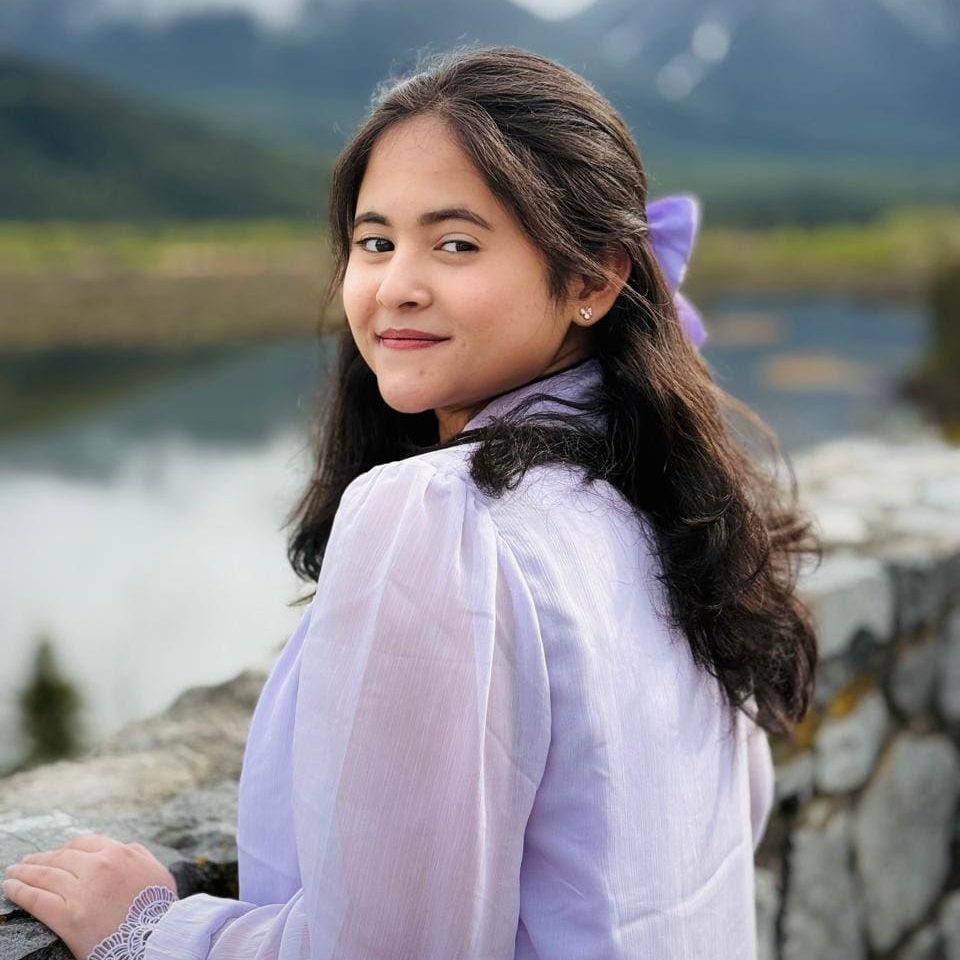
Research Topic/ Title: Wildland Fire Exposure Assessment for Treaty #3, Canada
My research aims to develop a long-term, community-level wildfire exposure assessment to support Indigenous-led territorial planning and climate resilience across the 28 First Nations communities within Treaty #3 territory. Through a review of community assessment wildfire approaches, the Territorial Planning Unit of Grand Council Treaty #3 identified the wildfire exposure framework originally developed by Dr. Jen Beverly at the University of Alberta, as an option to provide more clarity on treaty-wide and community scale fire exposure risk to aid in long-term planning. After validating this method for Treaty #3 territory, we present both community and structure scales wildland fire exposure assessments for Treaty #3.
First, we map directional vulnerability to wildfire for all 28 First Nation communities in Treaty #3 territory by identifying directions with a contiguous pathway of high exposure to hazardous fuels. This shows which zones within the community have high potential for wildfire entry into the wildland-urban interface. In other words, it answers the question: from which direction(s) does a fire have an easy pathway to the community?
Next, we focus on local level exposure for a few pilot communities, assessing exposure to hazardous fuels for individual buildings. This tells us which structure, value, or asset is most in need of mitigation using approaches such as those proposed by FireSmart. Project outcomes will support more targeted and culturally relevant wildfire risk mitigation (such as fuel management), contributing to community wildfire protection planning.
Recently I have begun learning beading, and it has quickly become something I love doing.
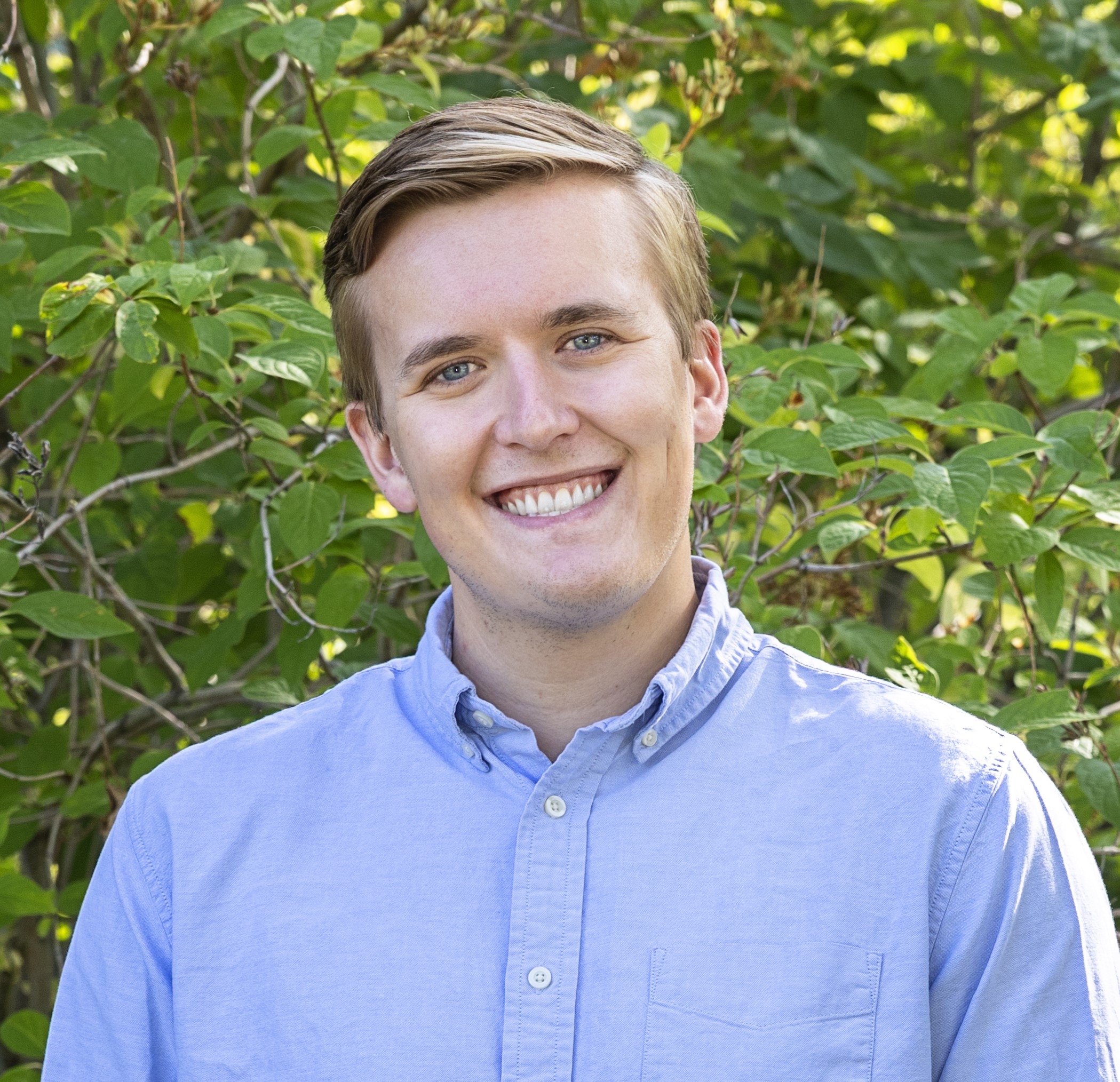
Research Topic/ Title: eDNA Metagenomic Monitoring of Water Quality in North and South Wabasca Lake
My research, in collaboration with the Bigstone Cree Nation, focuses on assessing human impact on North and South Wabasca Lakes. These lakes are central to many of the Bigstone reserves and hence, the community is worried about the impact of oil and gas, forestry, and ranching on their drinking water. To better understand the health of these lakes I am studying the DNA of the lake. Just as the health of a person can be better understood by studying their DNA, so can the health of a lake be better understood by the DNA present inside of it. This DNA can come from a variety of creatures that live in the lake, including the fish, insects, and plants, however; I am particularly interested in the bacteria and their DNA present in the lake. By collecting this DNA and sequencing it, I can figure out both who the bacteria are and what they are doing in the lake. Furthermore, bacteria are very sensitive to contaminates such as toxic heavy metals, oil, and plastics. Thus, this makes them a very useful tool for monitoring and tracking contamination in the lakes. Using these DNA tools, I hope to answer community questions about impacts on their local waterbodies and find sources of recent bacterial overgrowths in the lake.
When I am not in the lab, you can find me in the mountains, skiing, hiking, or rock climbing, I am also a big Survivor fan and am always down to chat about the current season.
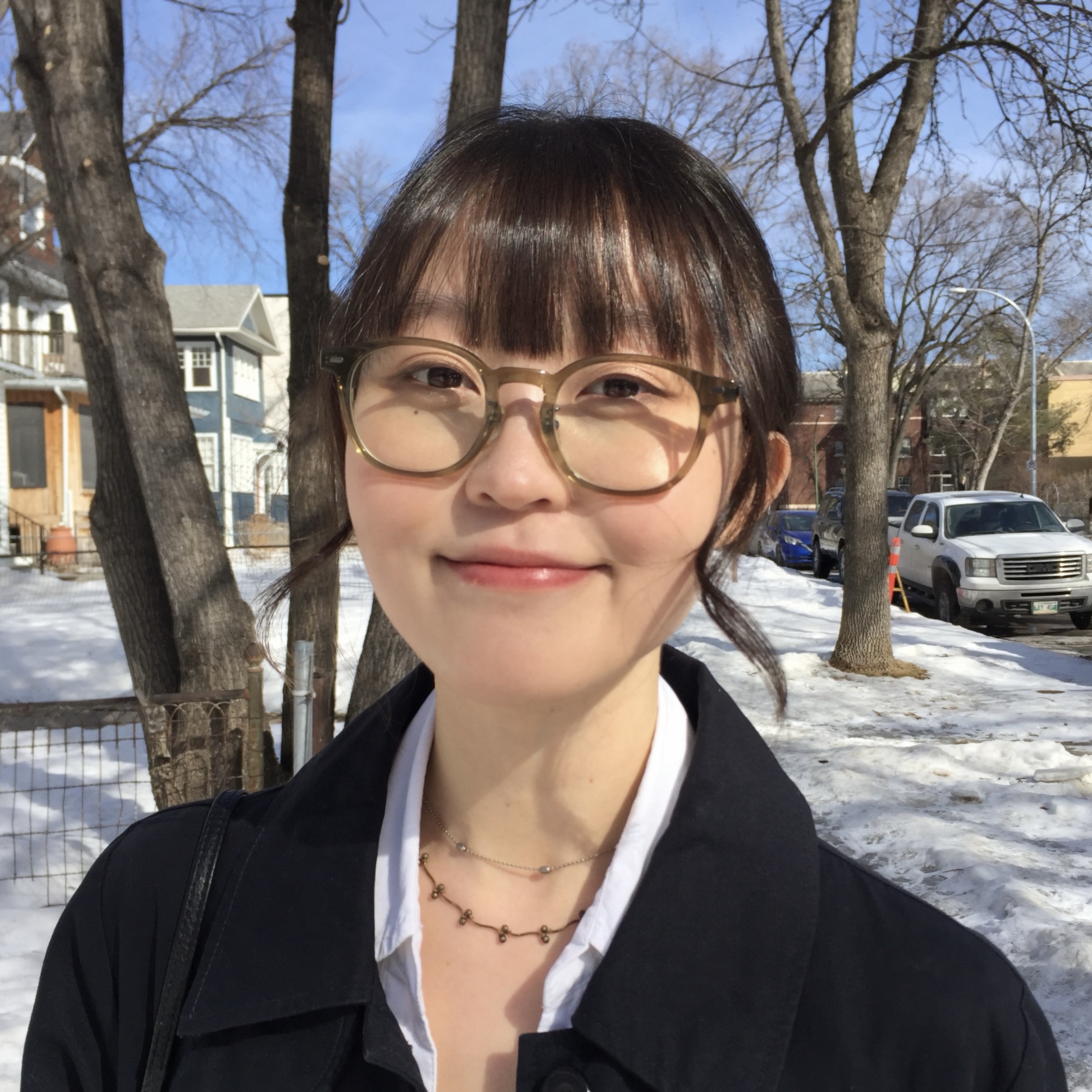
Research Topic/ Title: Seeing Water Through Inuit Qaujimajatuqangit: Rethinking Water Governance in Nunavut
My research examines the role of Inuit Qaujimajatuqangit (IQ) (Inuit Knowledge) in decision-making processes about water and mining in Nunavut, focusing on community experiences in Kangiqtiniq (Rankin Inlet in Inuktitut). Freshwater is central to Inuit ways of living, supporting land-based practices, knowledge transmission, and community well-being. However, mining development and regulatory processes are reshaping relationships between Inuit and freshwater. In partnership with the Kangiqliniq Hunters and Trappers Organization, this study will document IQ related to observed and potential impacts of the Meliadine Gold Mine on freshwater and examine how IQ is reflected in regulatory decision-making processes about water and mining.
I have so many hobbies that keep me busy everyday. I love playing the guitar, drawing, sewing, doing crochet, and cooking. Sometimes I gather people to do craft nights.
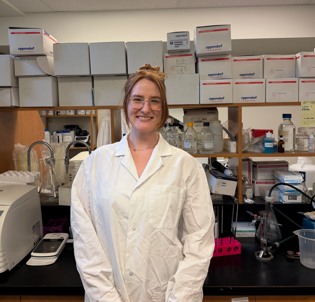
Research Topic/ Title: Pathogen Characterization of a Wastewater Treatment Process on First Nation Reserves in Manitoba
My research will be looking into wastewater treatment plants of a Long Plain’s First Nation to assess which pathogens (organisms that can make a person sick) are found before and after UV radiation (crucial and last step of a water treatment plant before release into the environment). This research looks into aspects of water quality invisible to the naked eye with the hopes of documenting and establishing a baseline of its state in FN communities.
We hope to define the UV pulse length that is more efficient with pre-treatment samples treated in the laboratory. These results would lead to better wastewater management, resulting in safer waters and a record of water conditions, creating a reference for future water quality studies.
When I am not in the lab, you can always find me reading, walking around (especially around nature), or spending time with friends.

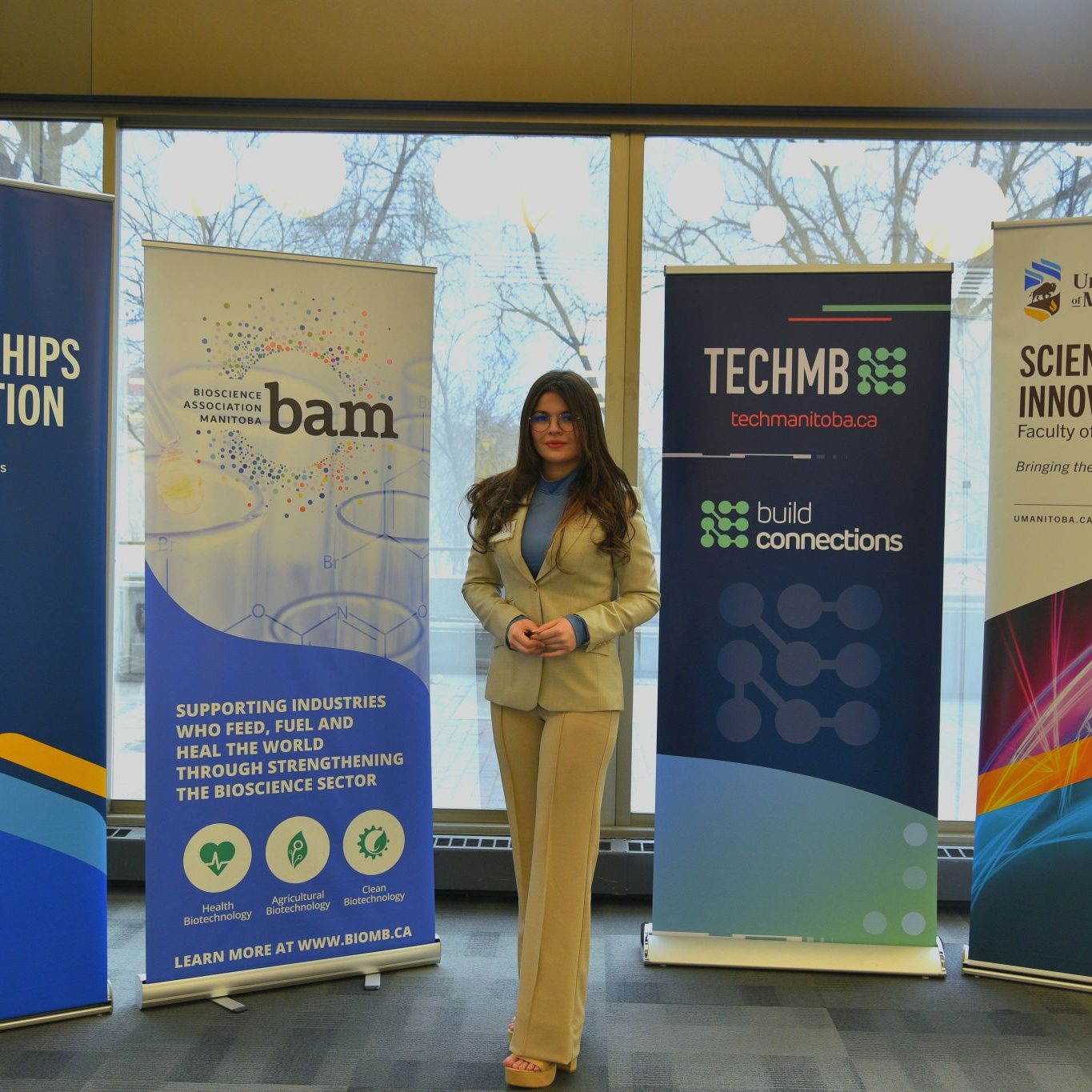
Research Topic/ Title: Deep amplicon sequencing for monitoring impacted watersheds in rural Manitoba
In my research, we are trying to identify the potential microbiological contaminants that can influence water quality in the rural section of the Assiniboine River located near some First Nation communities in rural Manitoba. Using this section of the Assiniboine River, we aim to evaluate how different land uses (e.g. agricultural and urban activities in comparison with less influenced areas) impact the array of microbes in surface water.
We are trying to set a baseline to establish new microbiological indicators of water contamination. We also hope to encourage the prevention of water contamination, advocate for the health of the community, and protect their source and recreational waters. We would like to contribute to maintaining freshwater quality in Canada that is safe for the overall health of the aquatic ecosystems, its inhabitants, and the Indigenous communities involved (who have decided to remain anonymous due to a confidentiality agreement).
Outside of school, I really love cows and I enjoy watching soccer. I hope to live close to cows one day and I am hoping to go to the next World Cup!
Research Topic/ Title:
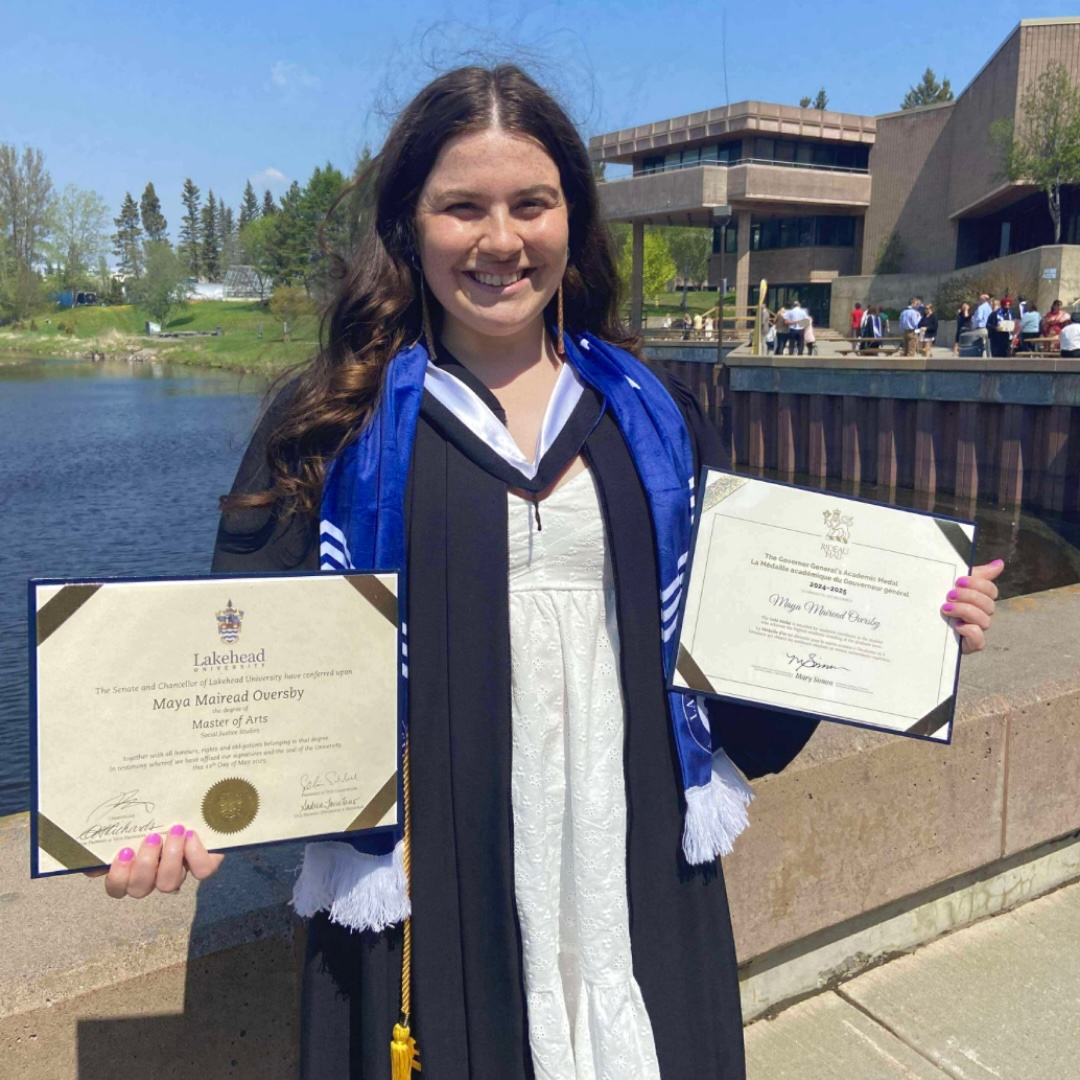
I am a 2025 graduate of the Social Justice Studies MA program, and I received the Governor General’s Award as the top graduate student in the Faculty of Social Sciences and Humanities—making me the first Social Justice Studies graduate to receive this honour. I was also recognized as the top student in the program, with both awards presented at the May 28 Convocation.
I am a Red River Métis and Irish/English artist from Dryden, ON, in Treaty Three Territory. For my Creative Project, “Confronting Land Dispossession through Kinship and Beadwork,” I explored counter‑mapping through beadwork under the supervision of Dr. Kiera Loukes and Dr. Juan Sanchez Martinez.
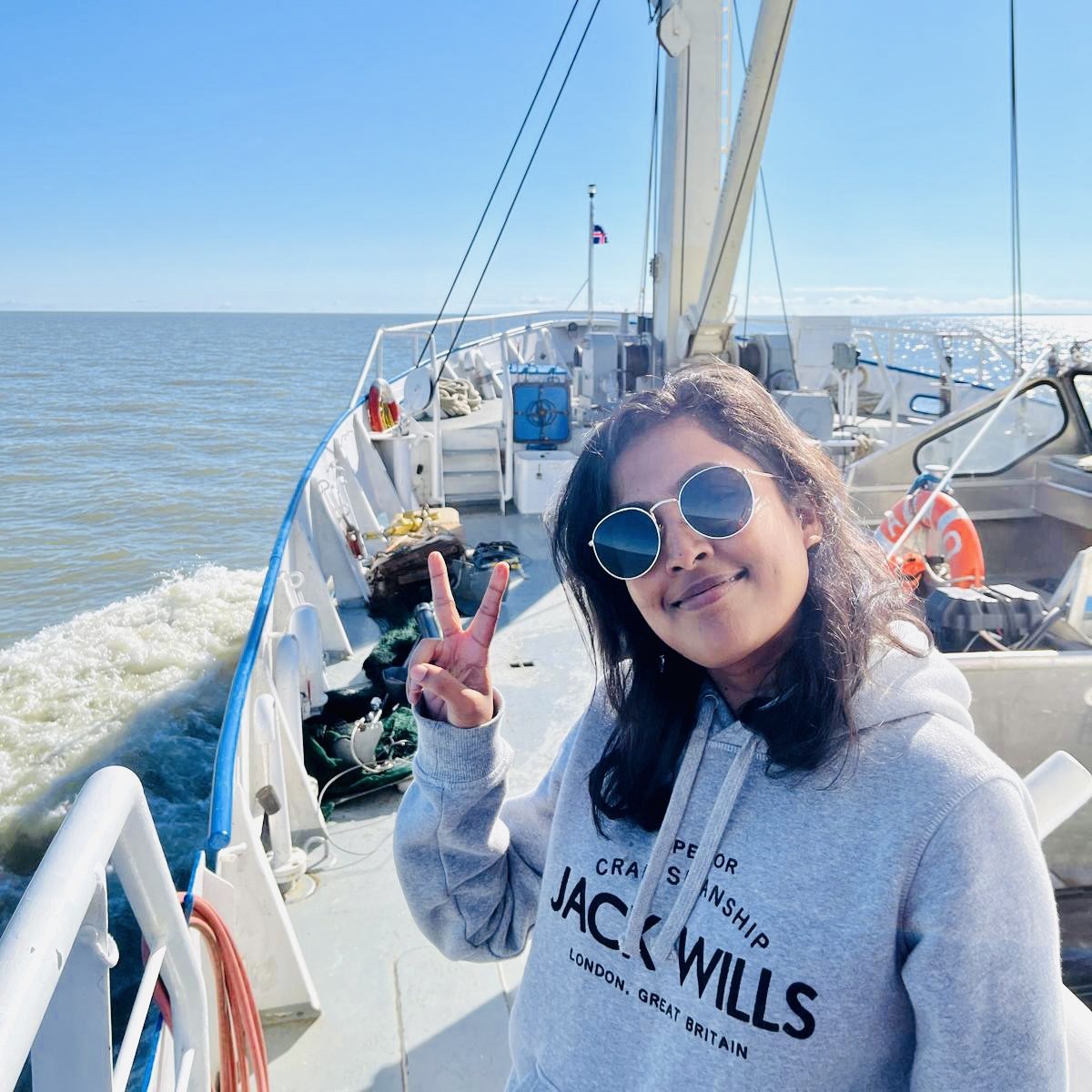
Research Topic/ Title: Analysis of Microcystin producing genotypes in Split Lake and Brokenhead rivers
Microcystins (MCs) are toxins commonly found in freshwater, produced by various types of cyanobacteria. The World Health Organization (WHO) advises that MC levels in drinking water should not exceed 1.0 μg per liter. According to the Government of Canada’s latest data, 27 communities are under boiling water advisories. Boil water advisories issued by federal or provincial health authorities for First Nation community water systems are 2.5 times more frequent than for non-First Nation communities. Approximately 30% of First Nation community water systems are classified as high-risk systems.
As part of this project, I will be collecting water samples from Split Lake and Brokenhead River, which are the territories of the Tataskweyak Cree Nation (TCN) and Brokenhead Ojibway Nation communities respectively. I aim to determine the correlations between the environmental factors and these toxic algal blooms. Moreover, I will be carrying out a metagenomic analysis to identify the toxin-producing cyanobacterial species and determining the toxin concentrations in the river to assess the existing water quality. I hope this project will increase awareness among First Nation communities about toxin producing algal blooms in their water resources, promote public health, and support access to safer drinking water for everybody.
I secretly dream of exploring the mysteries of the universe by going to space one day!
We use cookies to improve your experience on our site. By using our site, you consent to cookies.
Manage your cookie preferences below:
Essential cookies enable basic functions and are necessary for the proper function of the website.